How to Identify High-Quality OLED Screens
SoftOLED Technical Team
Experto de softoled.com
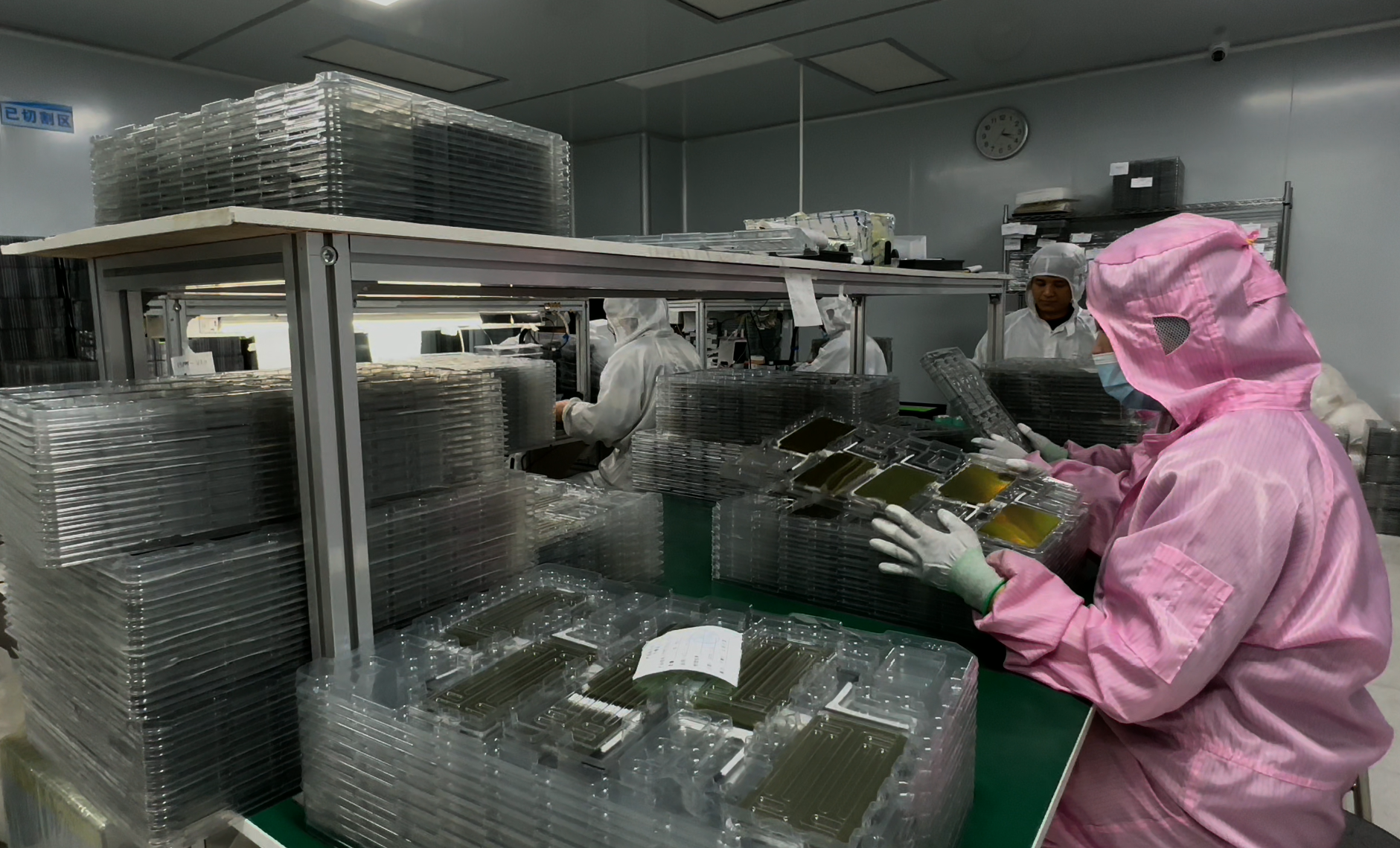
Why Quality Identification Matters
As a repair shop owner, your reputation depends on the quality of replacement parts you install. Installing substandard OLED screens leads to customer complaints, warranty claims, and lost business. This guide provides actionable methods to distinguish premium OLED panels from inferior alternatives.
Color Accuracy Testing
High-quality OLED screens deliver consistent color reproduction across the entire display surface. Use these verification methods:
- Delta E Measurement: Premium panels should have Delta E values below 2.0, indicating near-perfect color accuracy compared to the original display.
- White Uniformity: Display a pure white screen at maximum brightness. Look for yellow or blue tinting, especially around edges and corners.
- Gray Scale Performance: Test 10-step gray gradients. Quality panels show smooth transitions without banding or color shifts.
- Viewing Angle Consistency: Colors should remain stable when viewed from 45-degree angles without significant shift or washout.
Build Quality Indicators
Physical inspection reveals manufacturing quality before installation:
- Flex Cable Construction: Premium panels use reinforced flex cables with proper strain relief. Check for clean solder joints and consistent ribbon width.
- Adhesive Application: Factory-applied adhesive should be even and complete around all edges. Gaps indicate poor assembly.
- Glass Thickness: Measure glass thickness with calipers. OEM-spec panels match original dimensions within 0.05mm tolerance.
- Connector Fit: Connectors should seat firmly with positive click feedback. Loose connections cause intermittent failures.
Performance Testing Protocol
Implement this standardized testing procedure for every incoming batch:
- Brightness Test: Measure peak brightness (minimum 600 nits for modern devices) using a lux meter.
- Touch Response: Verify touch latency under 8ms across all screen zones using diagnostic software.
- Dead Pixel Check: Inspect for dead, stuck, or bright pixels on solid black, white, red, green, and blue backgrounds.
- True Tone Verification: Confirm ambient light sensor integration and automatic color temperature adjustment.
- Face ID Compatibility: For iPhone models, verify dot projector and infrared camera functionality through the new panel.
Certification Requirements
Reputable suppliers provide documentation verifying panel quality:
- ISO 9001 Certification: Ensures consistent manufacturing processes and quality management systems.
- RoHS Compliance: Confirms absence of hazardous materials like lead and mercury.
- CE/FCC Marking: Indicates compliance with electromagnetic interference standards.
- Batch Test Reports: Request per-batch QC reports showing pass/fail rates for key parameters.
Red Flags to Watch For
Avoid suppliers exhibiting these warning signs:
- Pricing significantly below market average (indicates recycled or rejected panels)
- Inability to provide batch-specific test documentation
- Inconsistent packaging or missing protective films
- No warranty or return policy for defective units
- Vague origin claims without verifiable factory information
Building Supplier Relationships
Establish long-term partnerships with verified manufacturers who offer transparent quality processes, consistent supply, and responsive support. Request sample panels for independent testing before placing bulk orders. Track defect rates over time and maintain scorecards comparing supplier performance.